
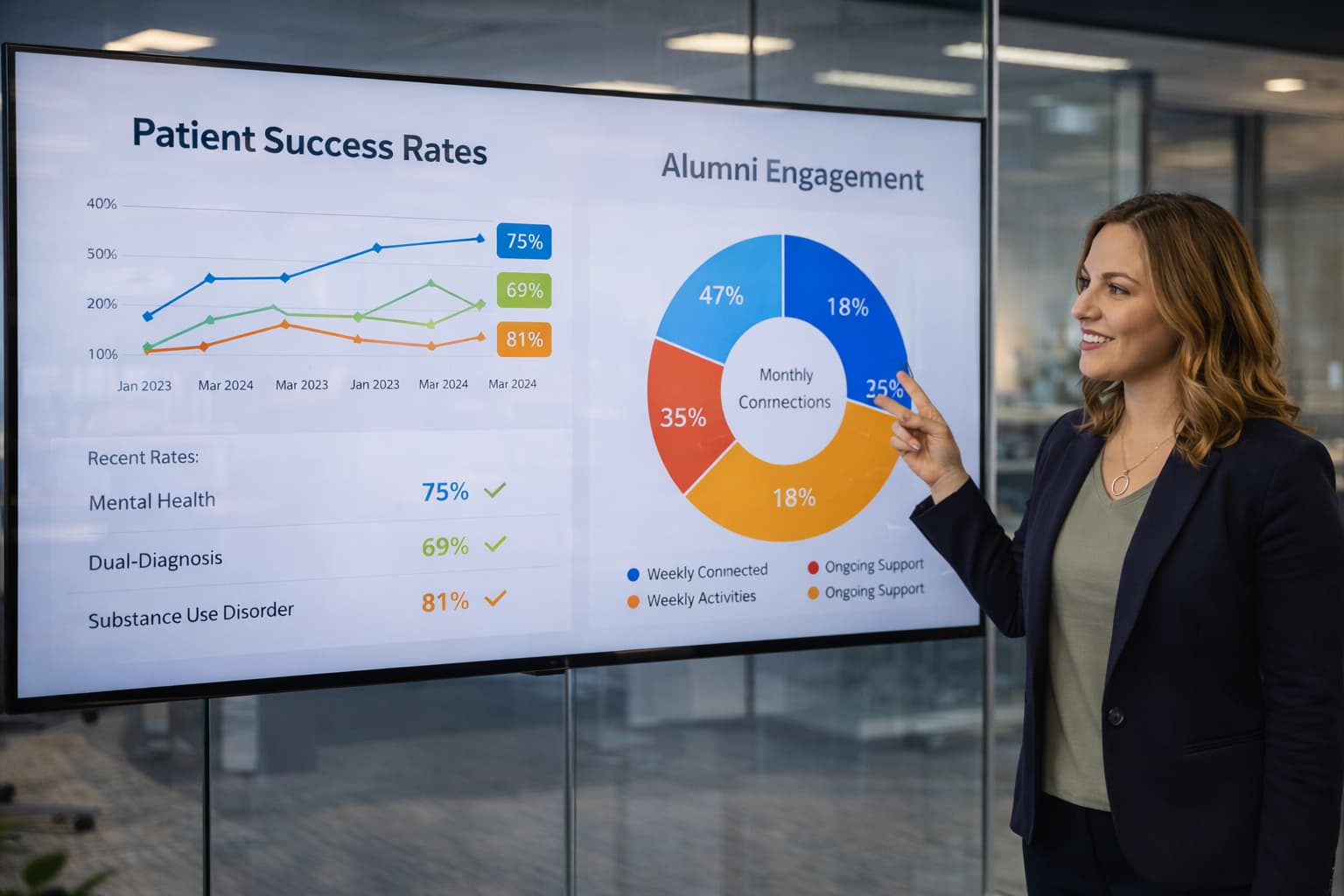
In the traditional behavioral health model, the patient journey is often fragmented. Data is trapped in paper charts, communication happens via unencrypted SMS, and once a patient is discharged, they often vanish into what clinicians call the "aftercare black hole."
However, as we move through 2026, the industry is seeing a paradigm shift. High-performing centers are no longer viewing technology as a digital filing cabinet. Instead, they are utilizing recovery support software as a clinical partner that follows the patient through every stage of their journey—from the first desperate phone call to their five-year sobriety anniversary.
At Team Recovery, we’ve seen firsthand how a unified digital ecosystem doesn't just save time for staff; it fundamentally improves the "Continuum of Care." Here is how modern software is reshaping outcomes at every stage of the recovery lifecycle.
1. Intake: Eliminating the "Window of Risk"
The moment an individual decides to seek help is a fragile one. If the intake process is bogged down by slow response times or redundant paperwork, that window can slam shut.
The Software Impact:
Modern behavioral health software solutions streamline the front-end experience. By integrating digital intake forms that sync directly with your EHR for addiction treatment, you eliminate the manual data entry that slows down admissions.
- Speed to Lead: Automated notifications ensure your team responds in minutes, not hours.
- Insurance Transparency: Real-time verification tools reduce the financial anxiety that often prevents patients from committing to care.
2. In-Treatment: Moving from Tracking to Engaging
Once a patient is admitted, the challenge shifts from logistics to engagement. If a patient feels like a "number" in a clinical system, their internal motivation can wane.
The Software Impact:
This is where patient engagement tools rehab centers use really shine. Instead of passive tracking, recovery support software provides an interactive experience for the patient.
- Daily Check-ins: Automated mood tracking and "Pulse Checks" give clinicians real-time data on a patient’s emotional state before they even walk into a session.
- Gamification: By incorporating milestones and leaderboards, software taps into the brain's reward system, replacing the dopamine hits of substance use with the healthy "wins" of recovery progress.
"The goal of treatment technology is to make the patient an active participant in their own recovery, rather than a passive recipient of care."
3. Communication: Closing the "Safety Gap"
In many facilities, communication between staff and patients is a chaotic mix of office phones, personal cells, and sticky notes. This is a nightmare for both HIPAA compliance and patient safety.
The Software Impact:
Strategic tech recovery solutions provide a centralized, secure hub for all interactions.
- Secure Messaging: Patients can reach out to their care team through a HIPAA-compliant app, ensuring that sensitive conversations remain protected.
- SOS Functionality: When a patient hits a crisis point, a dedicated SOS button within the app provides an immediate line to support, potentially preventing a mid-treatment walk-out or a post-discharge relapse.
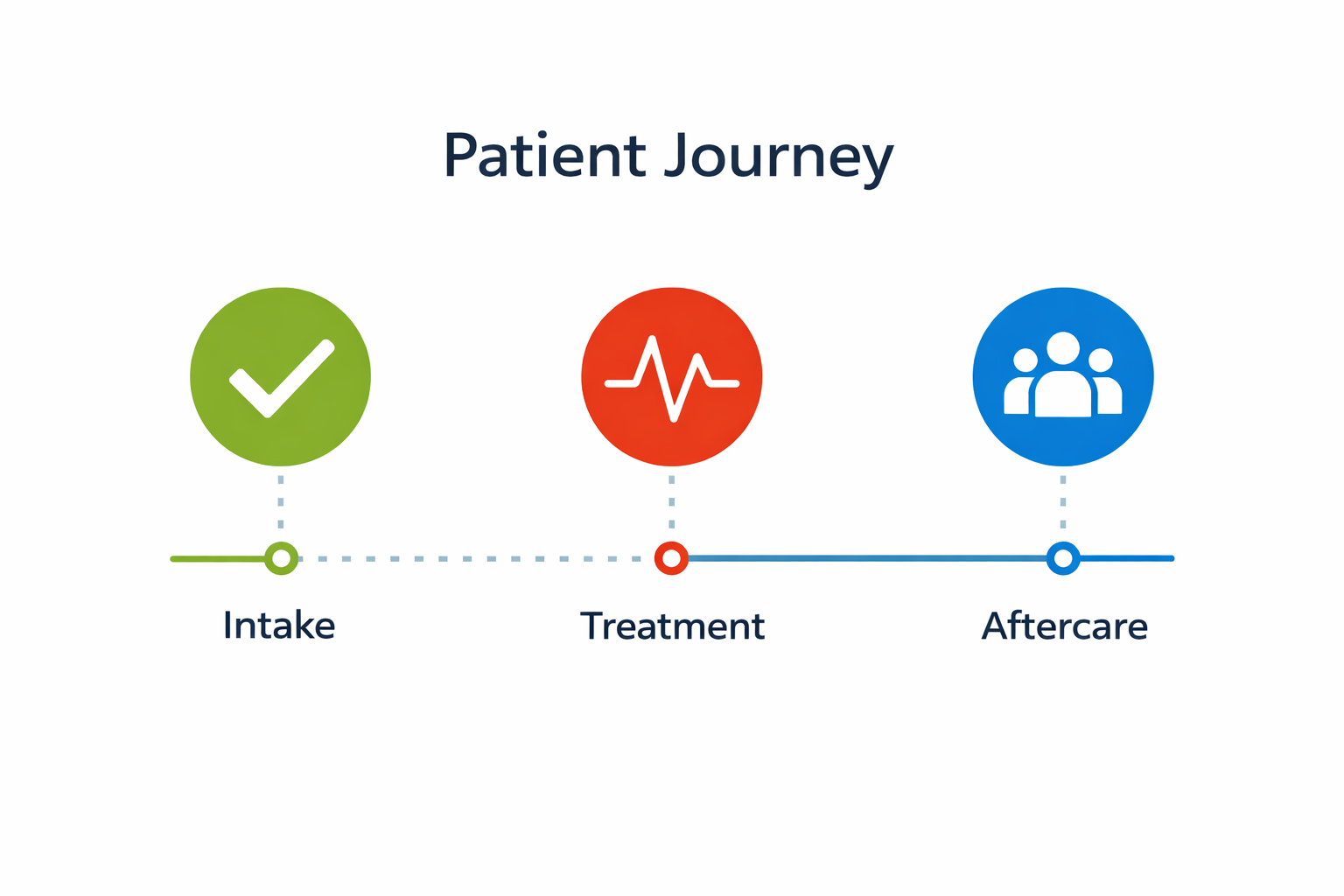
[Image Prompt 1: A clean, multi-stage 'Patient Journey' timeline infographic. Each stage (Intake, Treatment, Aftercare) is highlighted with a different tech icon: a 'Check-mark' for Intake, a 'Heartbeat' for Treatment, and a 'Community' icon for Aftercare. High-contrast, modern design.]
4. Aftercare and Retention: The Alumni Revolution
Statistically, the highest risk of relapse occurs in the first 90 days after leaving a residential program. Traditional addiction treatment software often stops at the discharge date, leaving the alumni coordinator to struggle with manual phone calls that often go unreturned.
The Software Impact:
This is where Team Recovery focuses its greatest strength. By providing a white-labeled mobile app, the center stays on the patient’s phone—and top of mind—long after they leave the facility.
- Automated Aftercare: The software can trigger surveys and check-ins at 30, 60, and 90-day intervals, collecting the outcome tracking data necessary for accreditation and insurance negotiations.
- Peer Community: Alumni can connect with one another in a safe, moderated environment, fostering the peer-to-peer support that is scientifically proven to improve long-term sobriety rates.
5. Why Unified Software Impacts Outcomes
When you map recovery support software across the entire lifecycle, you create a "Closed-Loop System."
- For the Clinician: They have a complete picture of the patient’s history, triggers, and engagement levels.
- For the Administrator: They see real data on which programs are working and where patients are dropping off.
- For the Patient: They experience a sense of continuity. They aren't "starting over" at every stage; they are moving forward on a single, supported path.
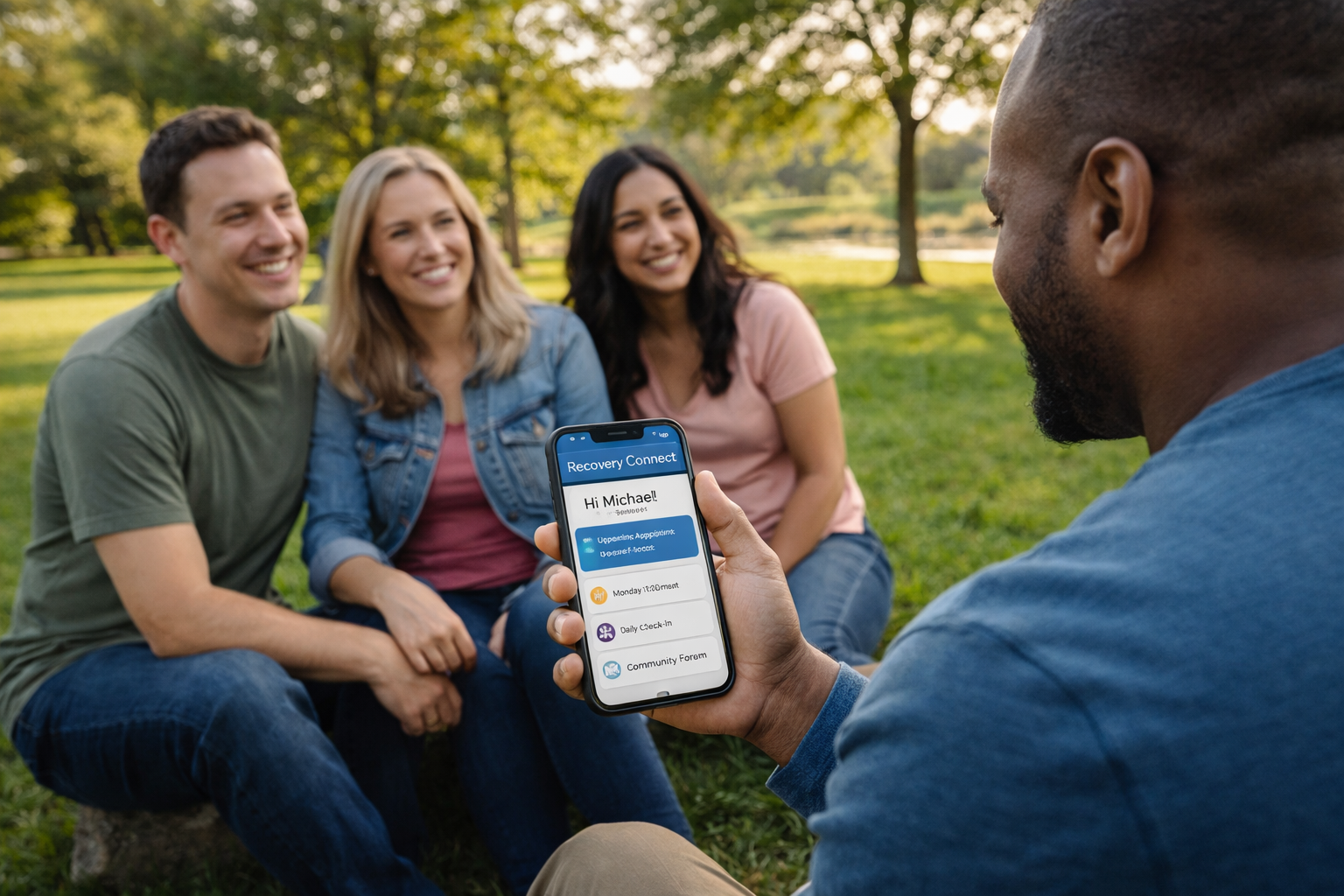
[Image Prompt 2: A professional photo of a diverse group of alumni sitting in a park, one person is looking at a smartphone displaying a custom-branded recovery app. They look happy and connected. Soft, natural lighting.]
Conclusion: The Future is Integrated
The centers that will thrive in 2026 are those that recognize that "care" doesn't end at the facility's exit sign. By leveraging recovery support software that handles everything from the initial intake to five-year alumni engagement, you provide your patients with a digital safety net that never sleeps.
If your current systems feel disconnected, it’s time to see how a unified platform can reshape your patient outcomes. Get an estimate today or reach out for a demo to see the Team Recovery difference in action.

Henna Geronimo
Reviewer
Henna is a content strategist with over 5 years of experience. She specializes in creating informed, compassionate content for addiction treatment centers, using her deep understanding of the industry to educate, engage, and support individuals seeking recovery.
.webp)
.webp)